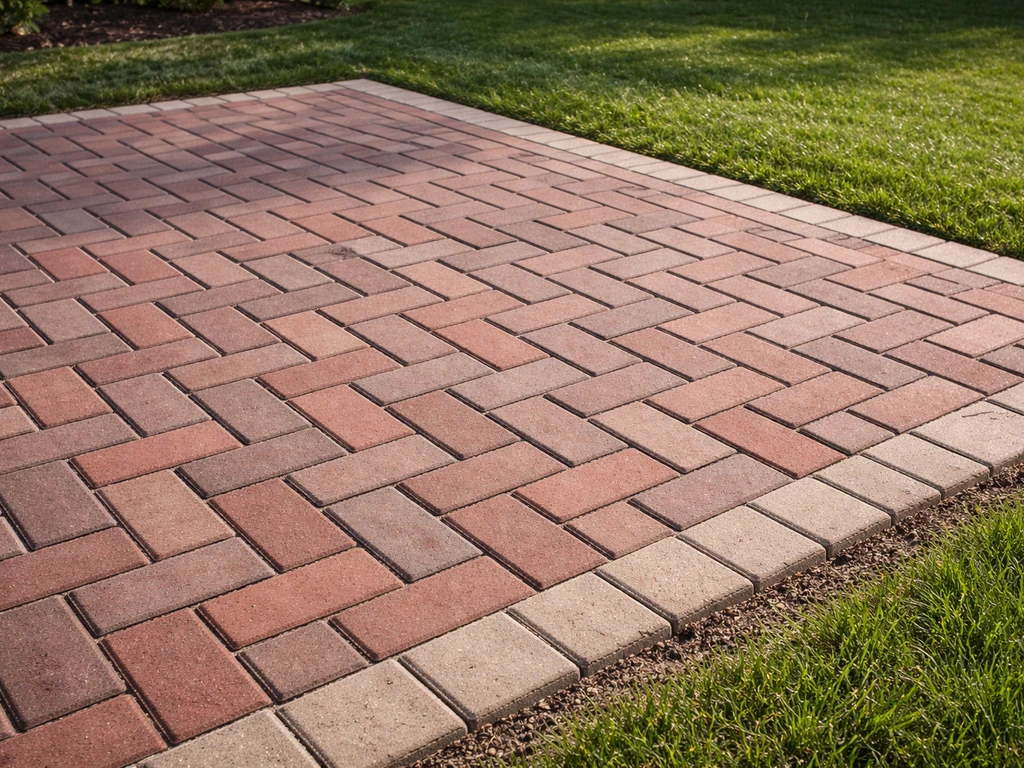
Backyard Patio Build Plans That Make Layout and Grading Easier
When it comes to enhancing your backyard, few projects can offer the transformative impact of a well-installed patio. The decision to lay down patio blocks can be both exciting and daunting, especially for first-time DIY enthusiasts. There's a sense of pride in creating a functional outdoor living area where friends and family can gather, enjoy meals, or simply relax under the stars. However, before you start the physical labor of laying the first row of blocks, it's crucial to understand the preparatory steps that ensure a successful installation.
Many homeowners underestimate the importance of preparation, often diving straight into the project without considering the foundational aspects that contribute to a durable and visually appealing patio. From understanding your yard's layout to selecting the right materials, each decision plays a vital role in the overall outcome of your project. In this guide, we will explore the key requirements for patio block installation, providing you with the insights needed to avoid common pitfalls and achieve an attractive outdoor space.
As you embark on this home improvement journey, remember that the goal is not just to create a surface to walk on but to build a lasting feature that enhances your home’s curb appeal and functionality. Therefore, taking the time to plan and prepare is essential. Let’s dive into the critical steps necessary to ensure your patio block installation is a resounding success.
The first step in any patio installation is to thoroughly assess your yard. This involves more than just picking a spot; you must consider factors such as sunlight exposure, drainage, and accessibility. Understanding these elements will help you determine the best location for your patio blocks. For instance, if your yard tends to collect water, you may need to select a drainage solution to prevent water pooling on your new patio.
Another aspect to consider is the shape and size of your patio. Do you envision a simple rectangular area, or are you considering more intricate designs? Sketching out a plan can be incredibly helpful. Use graph paper or a digital tool to create a scaled version of your yard, marking where the patio will go. This visual representation will help you understand how much space you have and how various designs will fit within your landscape.
Furthermore, consider any existing features in your backyard, such as trees, shrubs, or pathways. These elements can influence not only the aesthetic of your patio but also its functionality. For example, placing a patio too close to a large tree may result in leaf debris, creating additional maintenance. Ensure your design integrates well with the existing landscape while enhancing your outdoor experience.
Proper drainage is essential for any outdoor project, especially when installing patio blocks. Water accumulation can lead to uneven surfaces and damage over time, making it imperative to consider how water will flow around your patio. A well-drained area will not only extend the life of your patio but also enhance safety by reducing slips and falls. To assess drainage needs, observe your yard after a rain shower to see where water tends to pool.
One effective solution is to create a slight slope away from your home and towards designated drainage areas. This can often be achieved through careful grading of the soil and the strategic placement of your patio blocks. Additionally, incorporating permeable materials or installing drainage pipes can further improve water management around your patio, ensuring its longevity and structural integrity.
The materials you choose for your patio are as important as the installation process itself. When selecting patio blocks, consider factors such as durability, aesthetic appeal, and cost. Concrete pavers are a popular choice due to their strength and versatility, while natural stone offers a unique, rustic look. Each material has its pros and cons, so weigh these carefully based on your specific needs and budget.
In addition to the patio blocks, you’ll also need to consider the base materials, such as gravel or sand. A solid base is crucial for preventing shifting and settling over time. Generally, a layer of compacted gravel followed by a layer of sand provides excellent support for most patio installations. Remember, investing in quality materials can save you on repairs and replacements in the long run.
Before you start your installation, gather all the necessary tools to ensure a smooth process. Common tools needed for installing patio blocks include a shovel, level, rubber mallet, and a compactor for the base materials. Having everything at your fingertips will reduce delays and frustrations during the installation process. Consider renting tools that you may not frequently use, such as a compactor or a wet saw for cutting stones.